
FCL Shipping from Shanghai to Los Angeles: Tips for Faster Transit
Tags: containerized cargo, export logistics china, fast transit shipping, fcl container transport, freight forwarding solutions, global trade shipping, ocean freight tips, port congestion management, shanghai to los angeles shipping, transpacific freight
17-December-2025
 1
1
FCL Shipping from Shanghai to Los Angeles: Tips for Faster Transit
The Shanghai–Los Angeles shipping route is one of the busiest and most important corridors in global trade. It connects the manufacturing power of China with one of the largest import gateways in the United States. For companies shipping bulk goods, FCL (Full Container Load) shipping is often the most reliable, predictable, and cost-efficient option.
However, with high cargo volumes, seasonal spikes, and changing market conditions, achieving faster transit on this route requires careful planning and smart logistics decisions. This guide explains how businesses can speed up their FCL shipments from Shanghai to Los Angeles and how ECU 360 supports efficient port-to-port logistics.
1. Why the Shanghai–Los Angeles Route Is Critical for Global Trade
Shanghai is one of the world’s busiest container ports, offering frequent sailings, advanced port operations, and strong connections to major shipping lines. Los Angeles, along with the Port of Long Beach, handles a large share of U.S. imports, making it a central distribution point for American warehouses and retail networks.
Because of the high trade volume, this route experiences:
- Heavy vessel traffic
- Space constraints during peak season
- Frequent rate fluctuations
- Port congestion
- Tight customs and documentation requirements
To move goods faster, shippers need a structured logistics approach and efficient shipping management.
2. Why FCL Shipping Is Preferred on This Route
- Predictable timelines
Because the container is dedicated to one shipper, it reduces stops, handling, and delays. - Safer transport
Fewer touchpoints mean lower risk of damage, especially for bulk cargo. - Faster loading and unloading
No consolidation or deconsolidation speeds up container movement. - Better cost efficiency for high volumes
The cost per unit drops when products are shipped in full-container quantities.
These advantages make FCL the most stable option for businesses moving consistent or high-volume shipments from Shanghai to Los Angeles.
3. Factors That Slow Down Transit Times
Before optimizing speed, businesses must understand what causes delays.
- Port congestion
Both Shanghai and Los Angeles experience congestion during peak seasons, holiday months, and periods of high import demand. - Documentation mistakes
Incorrect or late paperwork leads to cargo holds and customs delays. - Missing cut-off times
If cargo misses the CY cut-off, it gets pushed to the next vessel—sometimes costing several days. - Space shortages on vessels
High freight demand creates rollovers and slow bookings. - Weather and ocean conditions
Typhoons, heavy currents, or storms can affect schedules. - Inefficient container packing and loading
Poor planning can delay release at the origin or destination port.
Understanding these challenges helps businesses plan better and ensure smoother transit.
4. Tips to Speed Up FCL Shipping from Shanghai to Los Angeles
- Book Early to Secure Space and Better Transit Options
During high-demand periods, securing a slot on the desired sailing becomes difficult. Early bookings help avoid last-minute complications and allow shippers to choose:- Faster routes
- Preferred carriers
- Ideal sailing schedules
With ECU 360, shippers can view available schedules in advance and confirm bookings quickly.
- Choose Carriers with Direct or Express Services
Some carriers offer direct Shanghai–Los Angeles routes without transshipment. Using direct services helps:- Shorten transit time
- Reduce cargo handling
- Lower the risk of delays
ECU 360 gives visibility into transit times so shippers can pick the fastest option.
- Plan Documentation Early for a Smooth Shipping Process
Paperwork errors cause major delays, especially when shipping to the U.S. To speed up transit:- Ensure commercial invoices and packing lists are accurate
- Submit shipping instructions on time
- Complete ISF filings before the vessel departs
- Avoid last-minute corrections
ECU 360 helps shippers organize documents in one place, reducing mistakes and confusion.
- Use Efficient Container Loading and Packing
Well-organized loading helps avoid inspection delays and ensures safe transport. Shippers should:- Use proper carton labeling
- Balance weight distribution
- Pack cargo to minimize unused space
- Follow container safety and weight guidelines
This reduces hold-ups and speeds up container movement at both ends.
- Track Your Shipments in Real Time
Staying updated helps companies plan inland transport, warehouse staffing, and delivery schedules. Real-time tracking ensures:- Better coordination
- Faster decision-making
- Smoother communication with customers
ECU 360 allows shippers to monitor milestones from departure to arrival.
- Understand Peak Season Patterns
Shipping speeds vary depending on:- Chinese festivals
- U.S. retail season
- Manufacturing cycles
- Holiday shipping peaks
By studying seasonal trends, businesses can ship earlier and avoid congestion.
- Prepare for Faster Clearance at Los Angeles Port
The Port of Los Angeles handles huge volumes, so clearing cargo quickly requires preparation:- Submit customs documents early
- Coordinate with trucking partners before vessel arrival
- Avoid demurrage and detention penalties
- Plan warehouse availability
With accurate visibility through ECU 360, teams can prepare for container arrival and minimize delays.
5. How ECU 360 Supports Faster FCL Transit from Shanghai to Los Angeles
Shipping from one of the world’s busiest ports to one of the largest U.S. gateways requires reliable logistics support. ECU 360 helps shippers stay organized and improve speed with a structured, transparent workflow.
- Easy Access to Schedules and Transit Times
Shippers can compare different carriers and choose the quickest option without manual research. - Transparent Pricing
Understanding the full cost—base rate, surcharges, and seasonal fees—helps companies plan better and avoid last-minute surprises. - Quick and Simple Booking
The platform enables shippers to confirm bookings instantly, reducing delays caused by long communication cycles. - Centralized Documentation Management
All shipping papers stay organized in one place, reducing the risk of mistakes that slow down transit. - Real-Time Shipment Tracking
Tracking milestones keeps teams informed and helps them prepare for container pickup in Los Angeles. - Improved Coordination for Better On-Time Delivery
With visibility into ETD and ETA, shippers can plan trucking, warehousing, and delivery without last-minute confusion.
These capabilities help businesses achieve smoother and faster shipping on a busy route.
6. Cost Optimization While Maintaining Fast Transit
Speed does not always mean higher cost. With smart planning, companies can balance speed and budget.
- Avoid peak-peak shipping when possible
Sending shipments before or after the busiest months reduces transit delays and freight expenses. - Use the right container type
Choosing between 20ft, 40ft, or 40ft HC can optimize cost and loading efficiency. - Consolidate shipments into full containers
FCL is more efficient and cost-effective when shipping bulk volumes consistently. - Reduce storage fees
Proper planning helps avoid warehouse overflow, demurrage, and detention charges. - Compare multiple carrier options
Through ECU 360, shippers can choose faster carriers without overpaying.
7. Ensuring a Smooth Flow at Both Ports
- At Shanghai
- Plan early pickup of empty containers
- Complete customs and documentation early
- Meet loading deadlines to avoid rollover
- At Los Angeles
- Pre-book trucking and chassis
- Organize warehouse space
- Track vessel arrival to avoid unnecessary delays
With clear tracking and documentation workflows, ECU 360 helps keep both ends of the route running smoothly.
Conclusion
Shipping from Shanghai to Los Angeles is a key part of global supply chains. Speed matters, especially when businesses need to meet production deadlines, maintain inventory levels, and serve fast-moving markets. FCL shipping remains a reliable and efficient way to move bulk cargo on this high-demand route.
By booking early, selecting the right carrier, planning documentation properly, and leveraging visibility tools, shippers can significantly reduce transit delays.
With structured booking, transparent schedules, organized documentation, and real-time tracking, ECU 360 helps businesses achieve faster, more dependable port-to-port FCL shipping from Shanghai to Los Angeles—keeping supply chains strong, efficient, and ready to meet growing global demand.
Like
READY TO GET STARTED?
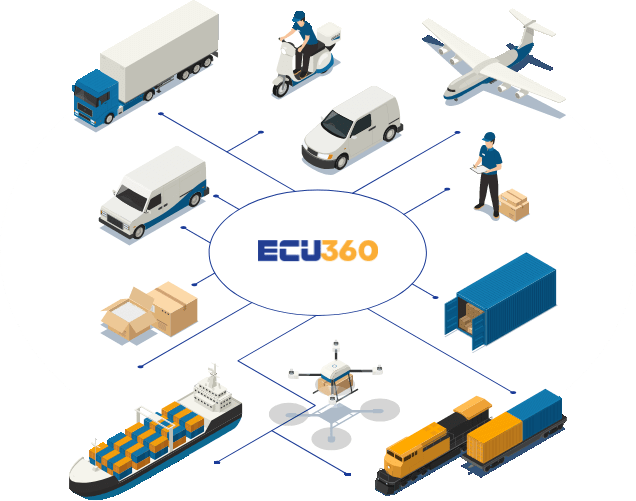
Multiple Modes to Move Cargo
One Platform to Manage All.



Comments